


Te llamaré cuando llegue a casa.
English: I will call you when I get home.
Grammar page
Spanish B2 grammar page for subjuntivo en oraciones subordinadas adverbiales, with rule summary, examples, and SmartWords practice context.
The subjunctive in Spanish adverbial subordinate clauses is used to express uncertainty, intention, condition, purpose, or time. These clauses often start with words like 'para que', 'antes de que', 'aunque', 'cuando', etc.
Use the subjunctive in adverbial clauses to talk about actions that are not certain, are desired, or are possible in the future. Common situations include expressing purpose, condition, time (when the action is in the future), and concession.
Te llamaré cuando llegue a casa.
English: I will call you when I get home.
Sal antes de que empiece a llover.
English: Leave before it starts to rain.
Estudia para que puedas aprobar el examen.
English: Study so that you can pass the exam.
Aunque haga frío, saldré a correr.
English: Even if it is cold, I will go running.
En caso de que necesites ayuda, llámame.
English: In case you need help, call me.
Siempre negocia con calma para que sus colegas ___ satisfechos.
Answer: estén
'Para que' requiere subjuntivo, por eso 'estén' es correcto.
Today's hand-picked vocabulary, grammar, and pronunciation page for Spanish. Bookmark this section — it refreshes every day.
Subscribe to SmartWords daily picks. Choose the topics you want — we send one short email per day.
Six word games built around our real vocabulary — free in the browser, no install.
Open the game hub →
Match the center word under time pressure and keep the combo alive.
Play now →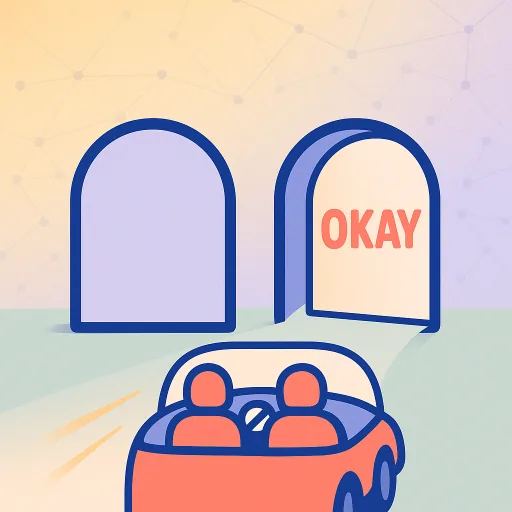
Fly through the correct gate before the speed ramps up.
Play now →
Slice the goal-language words, avoid the main-language decoy, and chase the announced bonus target.
Play now →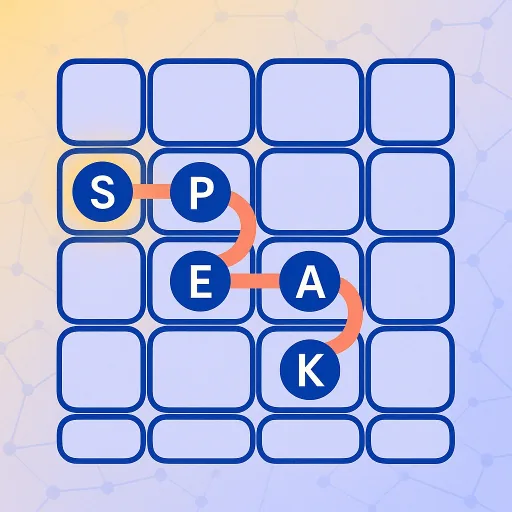
Trace a single path across the board, hit each letter anchor in order, and fill every open cell.
Play now →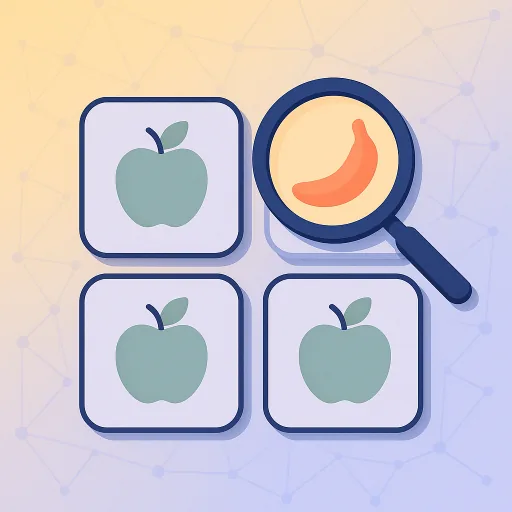
Pick the word that doesn't belong from a topic-driven set — every tap reveals all four meanings and images so the round becomes a flash-card too.
Play now →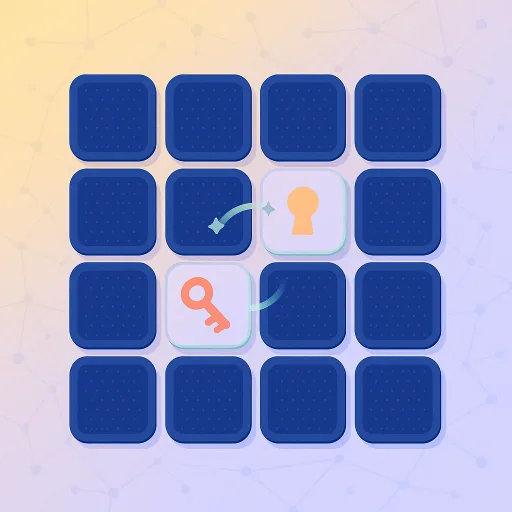
Flip and match goal-language words to their main-language meaning before your lives run out.
Play now →