


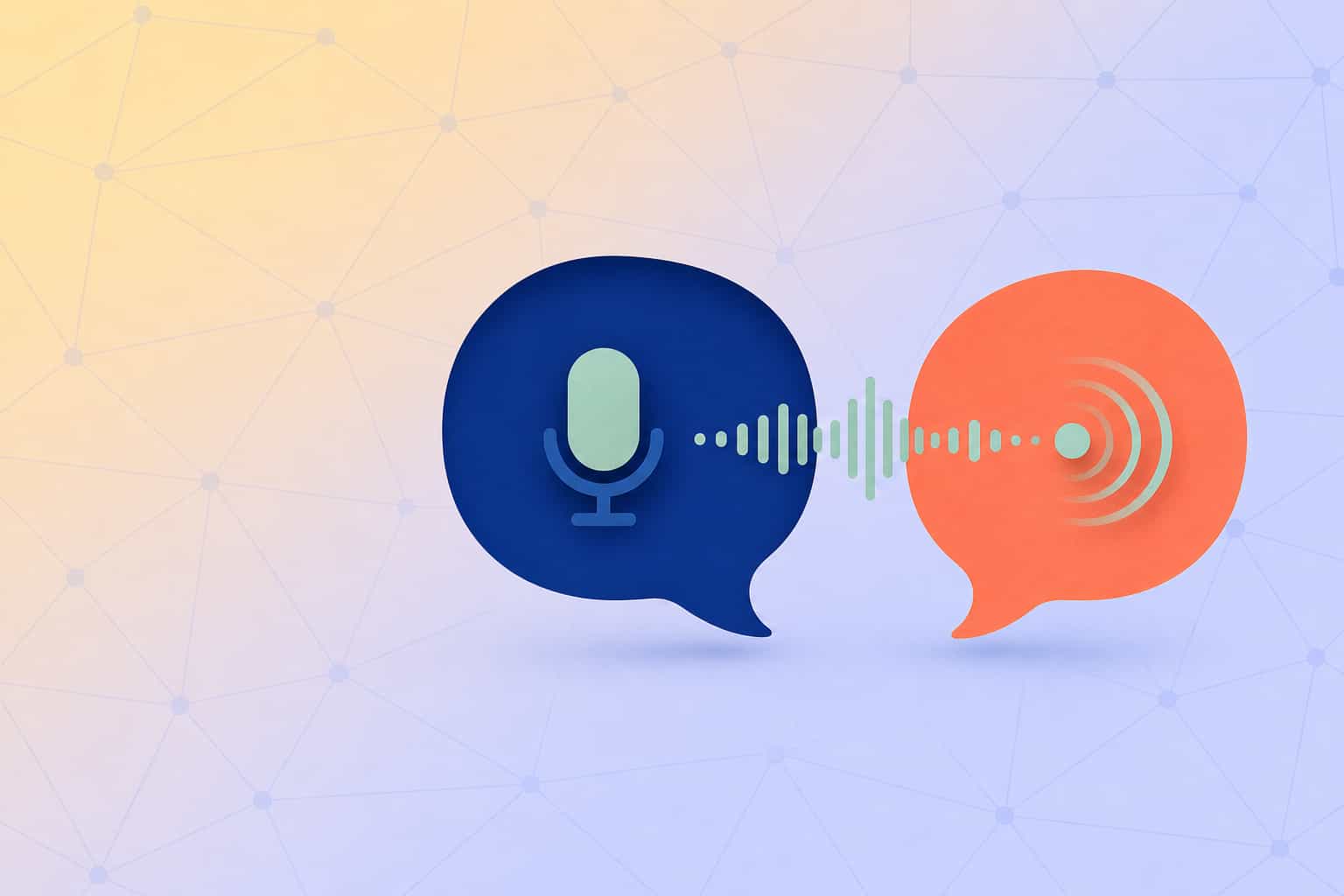
Practice the conversation before the conversation: how Smart Conversation works
Smart Conversation turns a real-life situation into a low-pressure rehearsal, with written or spoken replies, useful support when you get stuck, and a review at the end.
Blog
Stories, tips, and deep dives from the SmartWords team.
Smart Conversation turns a real-life situation into a low-pressure rehearsal, with written or spoken replies, useful support when you get stuck, and a review at the end.
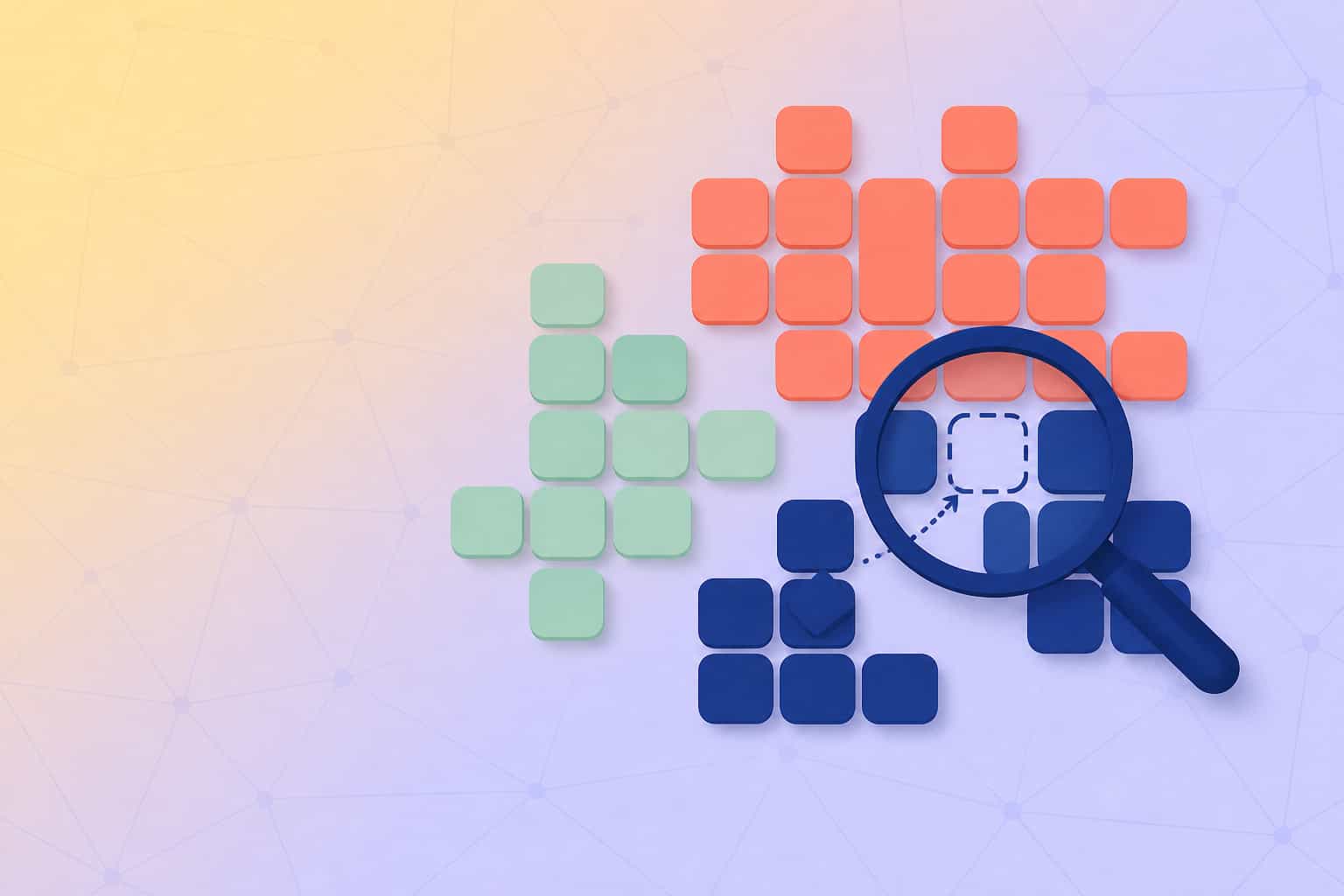
Known, Learning, and Unexplored turn a vague sense of your vocabulary into a practical map — including the earlier-level gaps that a linear course can miss.
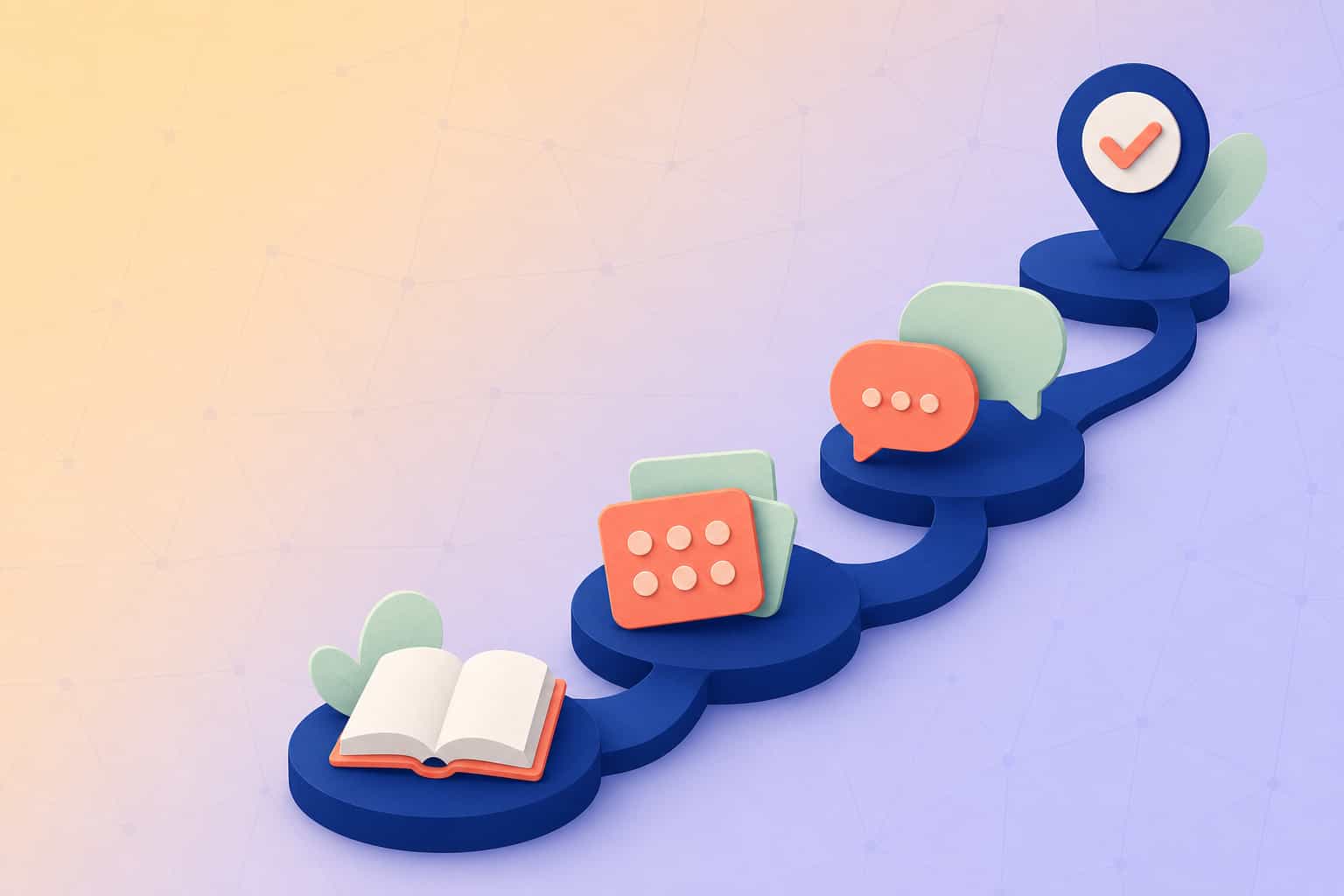
The SmartWords learning path turns a CEFR level into a sequence of units, lessons, practice, conversations, and checks — without pretending every learner starts in the same place.
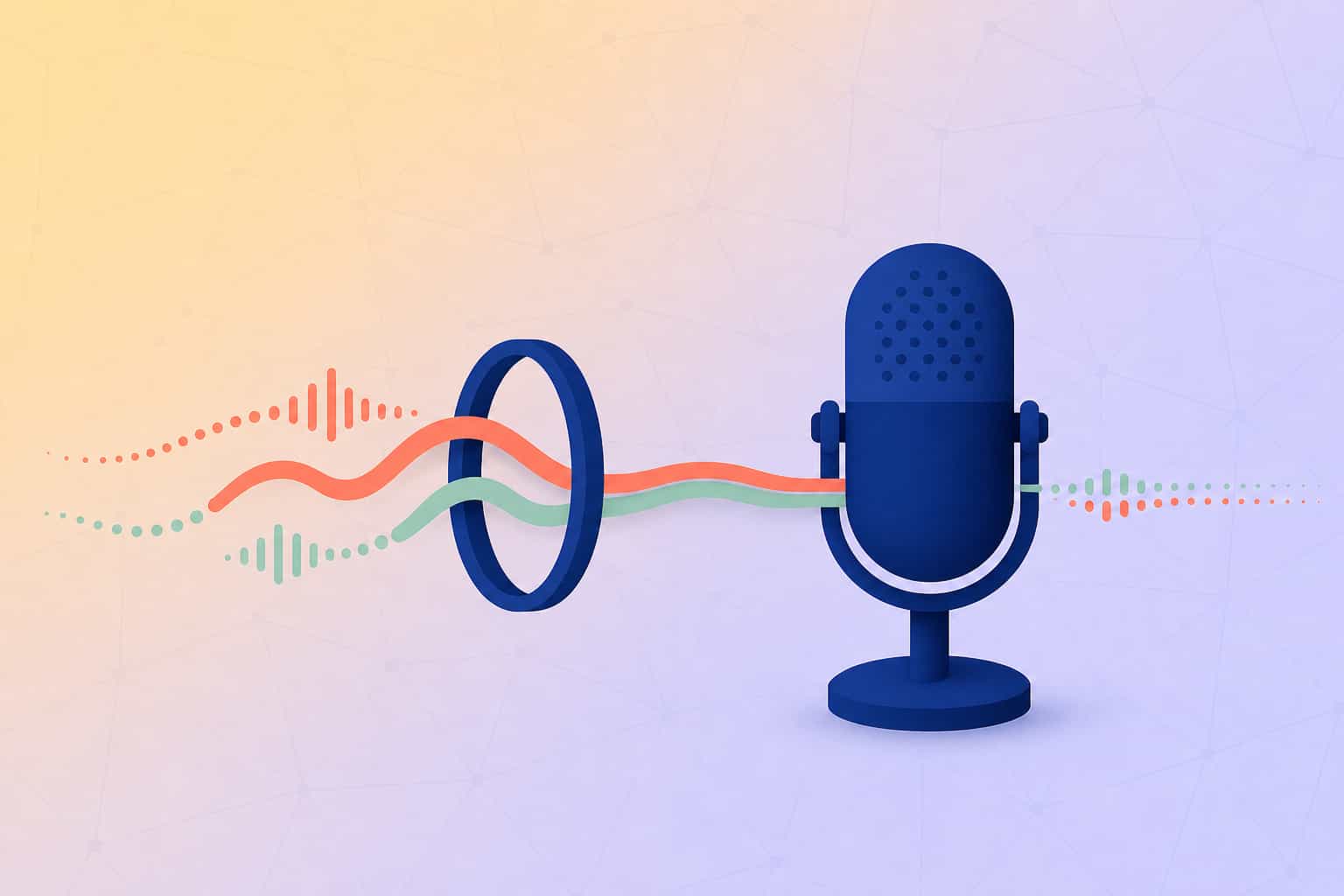
Clearer pronunciation grows through a repeatable loop: hear a sound, record yourself, compare the two versions, and adjust one detail at a time.
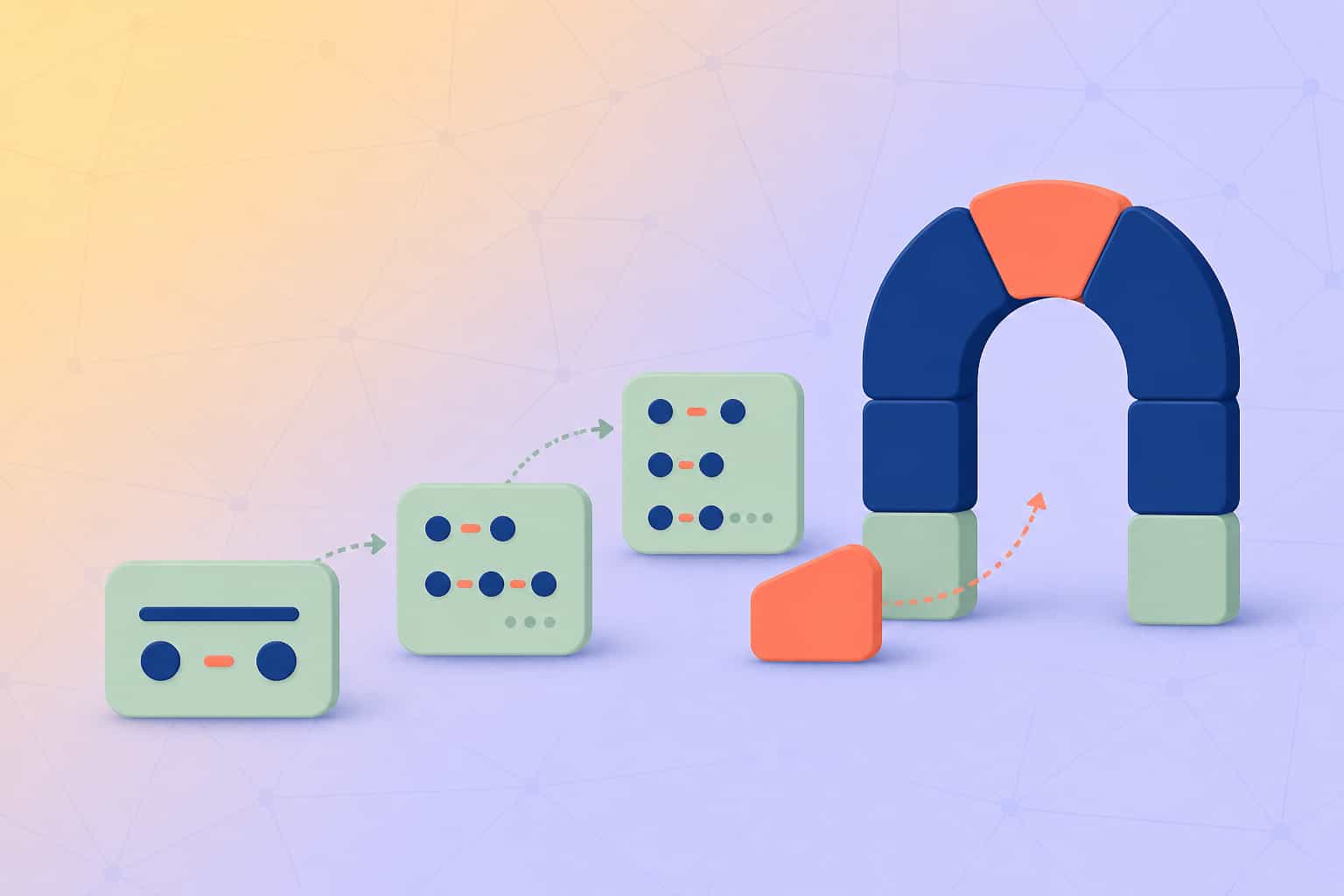
A useful grammar lesson should do more than define a rule. It should show where the rule fits, let you test it, and give you a clear next step.
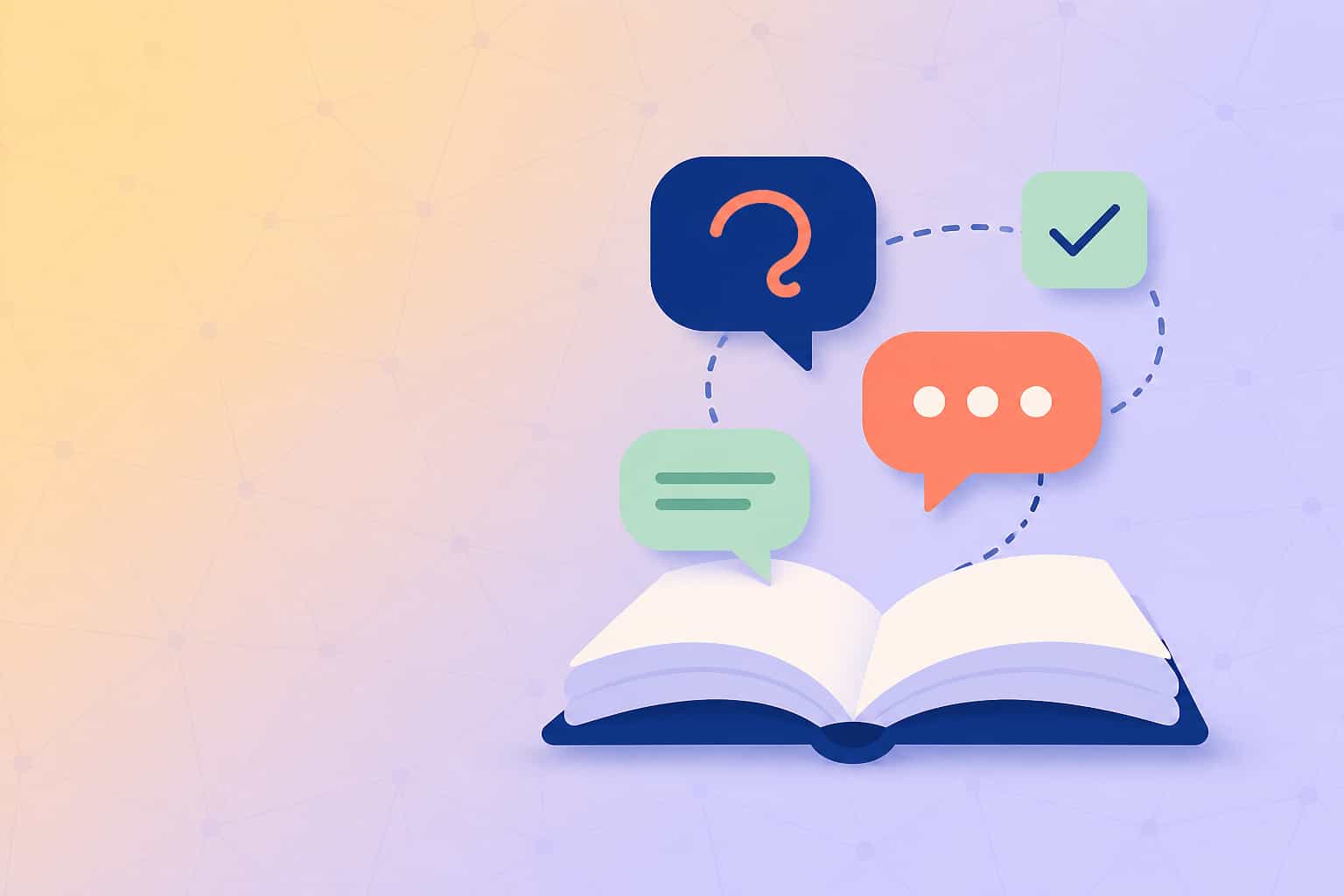
Grammar Smart Tutor turns one grammar topic into a short written walkthrough where you can continue, simplify, ask for another example, or check the rule.
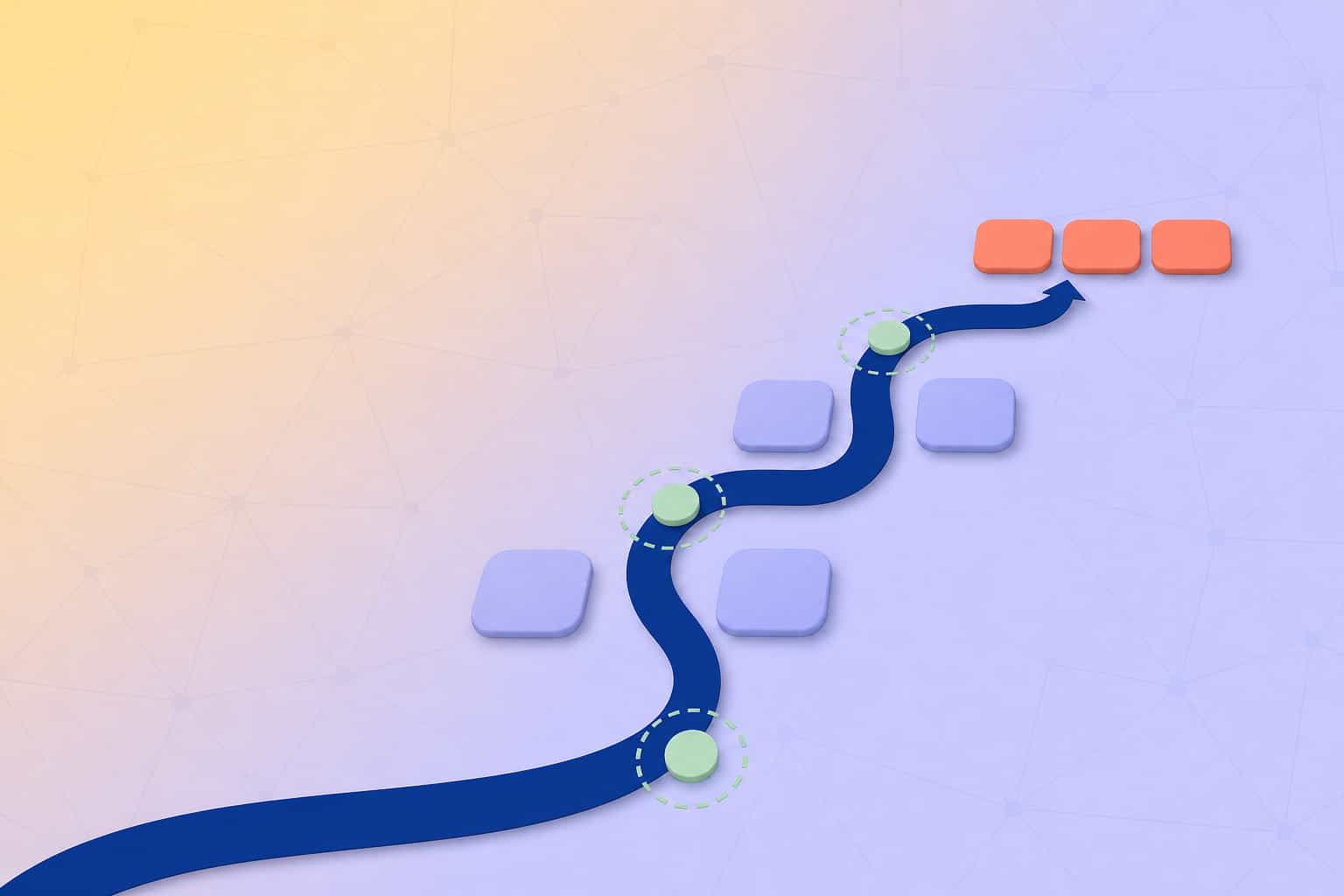
Good practice is neither endlessly easy nor constantly overwhelming. Adaptive practice aims for the useful middle: familiar enough to follow, demanding enough to learn.
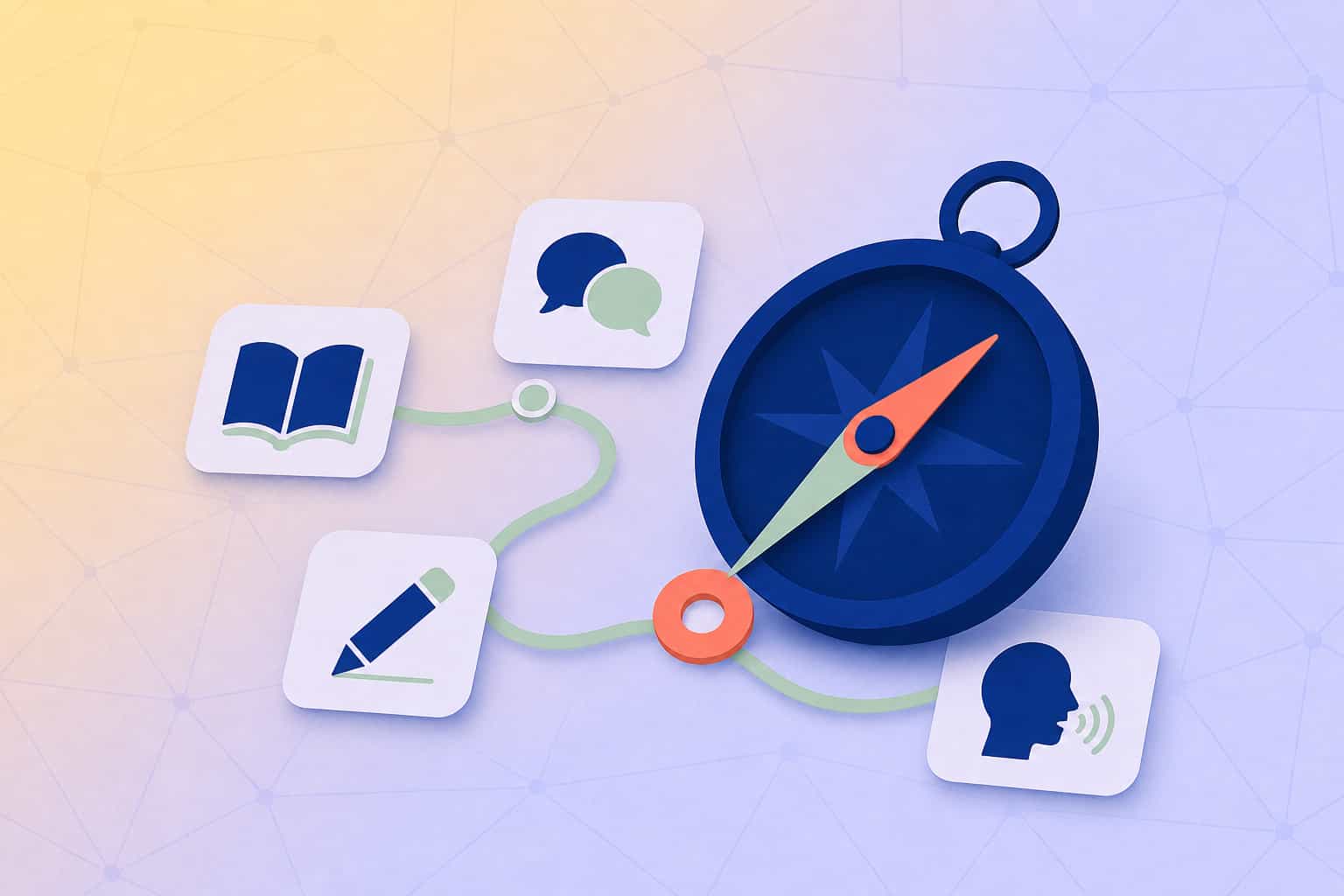
Smart Coach is a conversational planning space for turning a vague language goal, a plateau, or a short study window into one concrete next step.
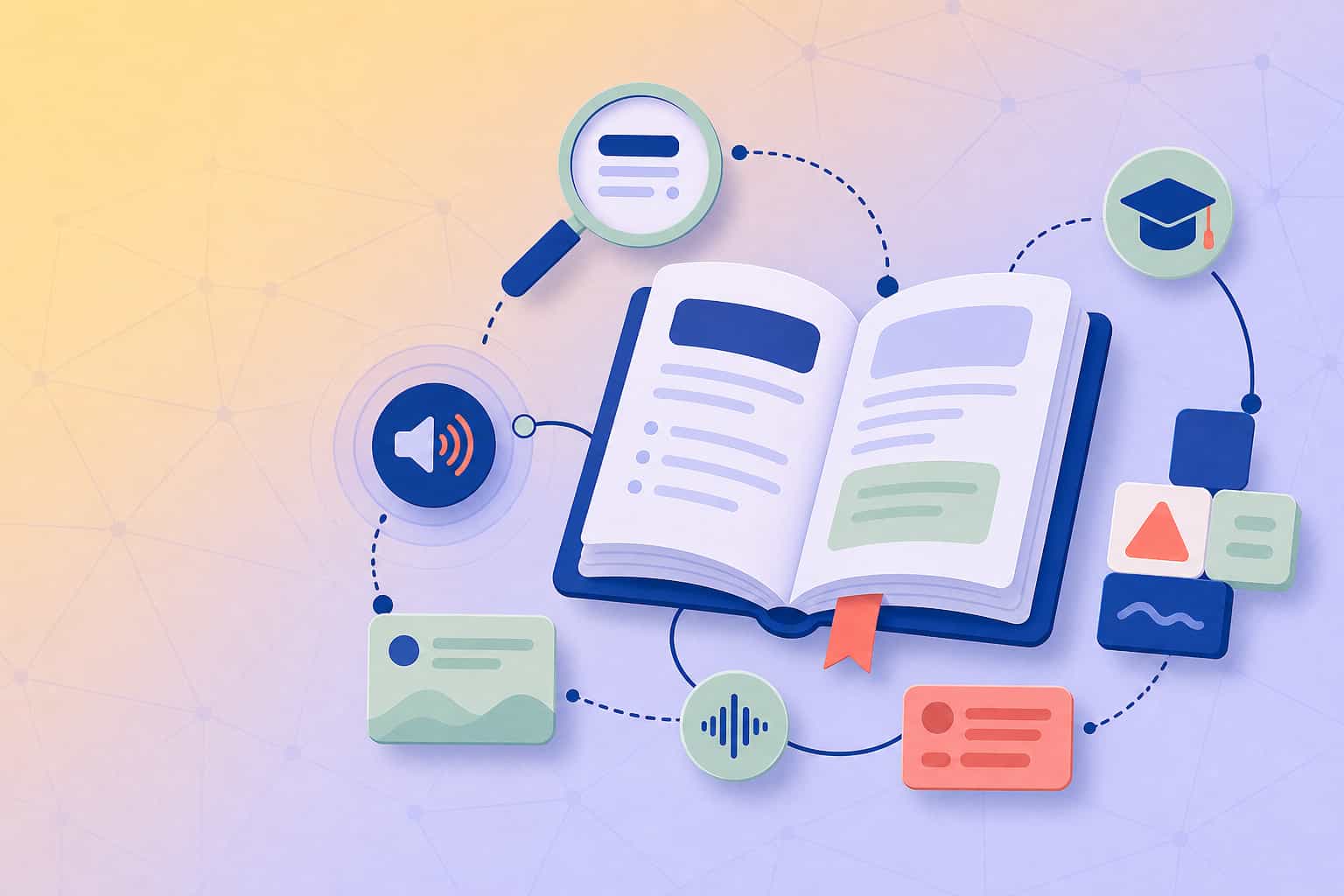
Look up a word, hear it, see how it is used, then follow it into a topic, lesson, grammar point, or course.
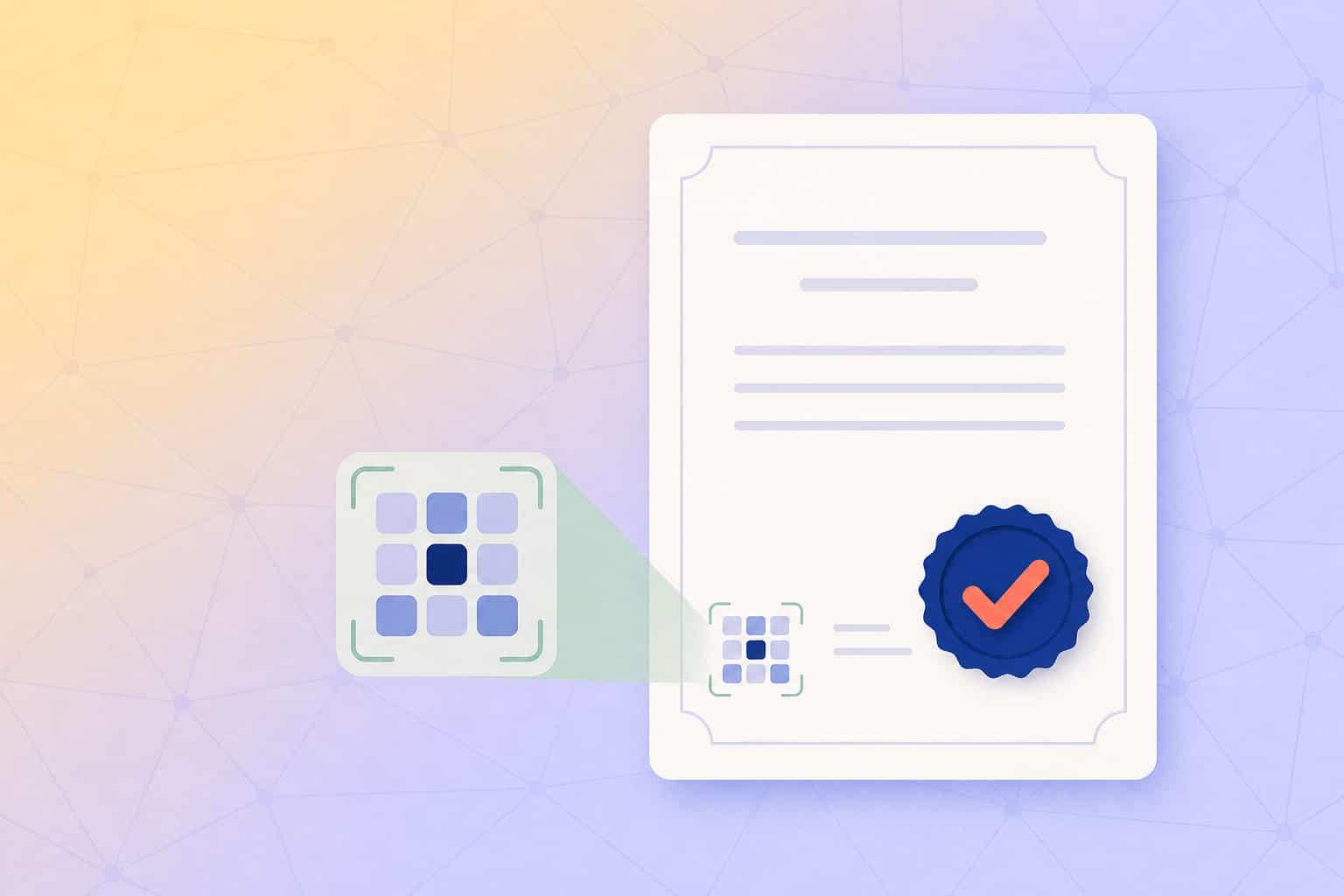
SmartWords certificates record a specific achievement and can be checked through a public verification page. Here is how to read one accurately.