


Estudio español por mi trabajo.
English: I study Spanish because of my job.
Grammar page
Spanish B2 grammar page for diferencias entre por y para, with rule summary, examples, and SmartWords practice context.
In Spanish, 'por' and 'para' are both prepositions that can mean 'for', but they are used in different situations. Learning when to use each one is important for clear communication.
Use 'por' to talk about reasons, causes, movement through a place, or duration of time. Use 'para' to talk about goals, destinations, deadlines, or recipients.
Estudio español por mi trabajo.
English: I study Spanish because of my job.
Este regalo es para ti.
English: This gift is for you.
Voy por el parque cada mañana.
English: I walk through the park every morning.
Necesito terminar esto para mañana.
English: I need to finish this by tomorrow.
Gracias por tu ayuda.
English: Thank you for your help.
Negociaron ___ integrar a nuevos miembros en el equipo.
Answer: para
'Para' se usa para expresar propósito u objetivo. Aquí, negociaron con el fin de integrar nuevos miembros.
Today's hand-picked vocabulary, grammar, and pronunciation page for Spanish. Bookmark this section — it refreshes every day.
Subscribe to SmartWords daily picks. Choose the topics you want — we send one short email per day.
Six word games built around our real vocabulary — free in the browser, no install.
Open the game hub →
Match the center word under time pressure and keep the combo alive.
Play now →
Fly through the correct gate before the speed ramps up.
Play now →
Slice the goal-language words, avoid the main-language decoy, and chase the announced bonus target.
Play now →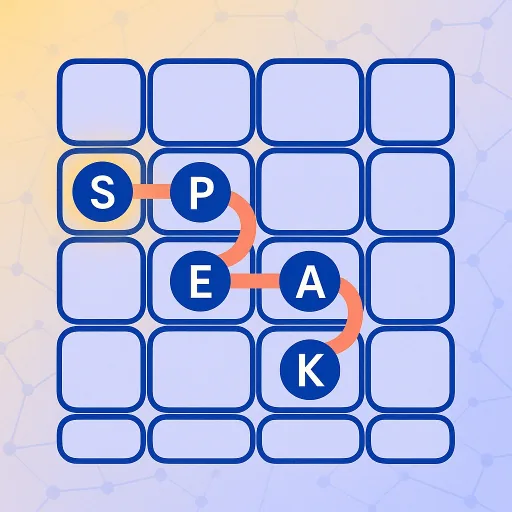
Trace a single path across the board, hit each letter anchor in order, and fill every open cell.
Play now →
Pick the word that doesn't belong from a topic-driven set — every tap reveals all four meanings and images so the round becomes a flash-card too.
Play now →
Flip and match goal-language words to their main-language meaning before your lives run out.
Play now →