


Elle est allée au marché.
English: She went to the market.
Grammar page
French B1 grammar page for accord du participe passé, with rule summary, examples, and SmartWords practice context.
The 'accord du participe passé' in French means that the past participle sometimes changes its ending to agree with the gender and number of the noun it refers to.
You use the past participle agreement in French mainly with verbs that use 'être' (to be) as the auxiliary verb, and sometimes with 'avoir' (to have) if the direct object comes before the verb. The participle agrees in gender and number with the subject (with 'être') or with the preceding direct object (with 'avoir').
Elle est allée au marché.
English: She went to the market.
Ils sont partis tôt.
English: They left early.
Les pommes que j'ai mangées étaient délicieuses.
English: The apples that I ate were delicious.
Nous avons vu les filles.
English: We saw the girls.
La lettre que tu as écrite est sur la table.
English: The letter you wrote is on the table.
Today's hand-picked vocabulary, grammar, and pronunciation page for French. Bookmark this section — it refreshes every day.
Subscribe to SmartWords daily picks. Choose the topics you want — we send one short email per day.
Six word games built around our real vocabulary — free in the browser, no install.
Open the game hub →
Match the center word under time pressure and keep the combo alive.
Play now →
Fly through the correct gate before the speed ramps up.
Play now →
Slice the goal-language words, avoid the main-language decoy, and chase the announced bonus target.
Play now →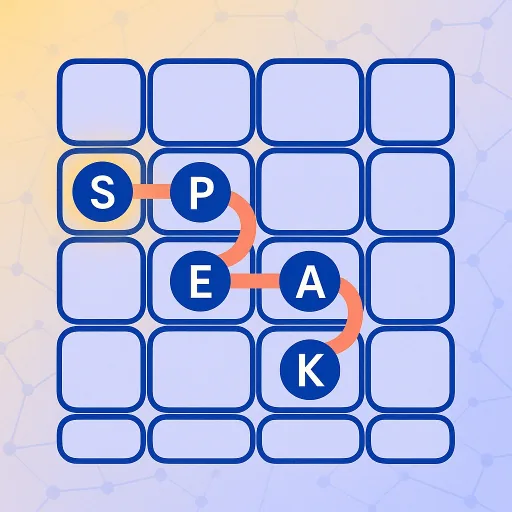
Trace a single path across the board, hit each letter anchor in order, and fill every open cell.
Play now →
Pick the word that doesn't belong from a topic-driven set — every tap reveals all four meanings and images so the round becomes a flash-card too.
Play now →
Flip and match goal-language words to their main-language meaning before your lives run out.
Play now →