


Ik eet ontbijt, nadat ik ben opgestaan.
English: I eat breakfast after I have gotten up.
Grammar page
Dutch B1 grammar page for bijzinnen met 'nadat', with rule summary, examples, and SmartWords practice context.
'Nadat' is a Dutch conjunction used to connect two actions, where one action happens after another. It introduces a subordinate clause (bijzin) that explains what happened first.
Use 'nadat' in Dutch when you want to say that one action happens only after another action has finished. It's common when describing sequences of events in the past or present.
Ik eet ontbijt, nadat ik ben opgestaan.
English: I eat breakfast after I have gotten up.
We gaan wandelen, nadat het heeft geregend.
English: We go for a walk after it has rained.
Zij belt mij, nadat ze thuis is gekomen.
English: She calls me after she has come home.
Nadat ik mijn huiswerk heb gemaakt, kijk ik tv.
English: After I have done my homework, I watch TV.
Nina hangt haar katoenen rok op nadat ze de was heeft opgevouwen.
Answer: nadat
‘Nadat’ gebruik je als iets gebeurt nádat iets anders klaar is.
Today's hand-picked vocabulary, grammar, and pronunciation page for Dutch. Bookmark this section — it refreshes every day.
Subscribe to SmartWords daily picks. Choose the topics you want — we send one short email per day.
Six word games built around our real vocabulary — free in the browser, no install.
Open the game hub →
Match the center word under time pressure and keep the combo alive.
Play now →
Fly through the correct gate before the speed ramps up.
Play now →
Slice the goal-language words, avoid the main-language decoy, and chase the announced bonus target.
Play now →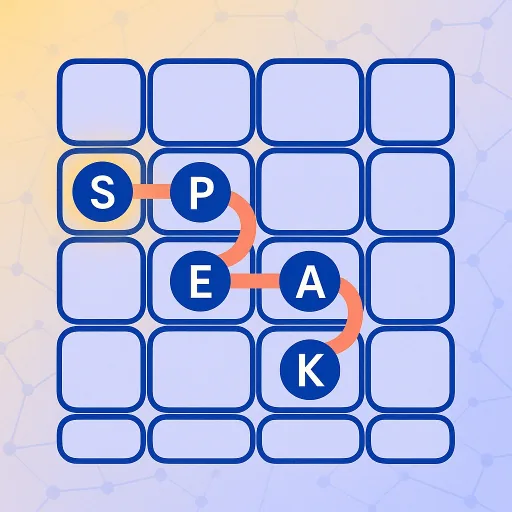
Trace a single path across the board, hit each letter anchor in order, and fill every open cell.
Play now →
Pick the word that doesn't belong from a topic-driven set — every tap reveals all four meanings and images so the round becomes a flash-card too.
Play now →
Flip and match goal-language words to their main-language meaning before your lives run out.
Play now →