


Er sagt, er habe keine Zeit.
English: He says he has no time.
Grammar page
German B2 grammar page for indirekte rede, with rule summary, examples, and SmartWords practice context.
Indirect speech in German (Indirekte Rede) is used to report what someone else has said, without quoting them directly.
Use indirect speech in German when you want to tell what someone else said, especially in newspapers, reports, or formal situations.
Er sagt, er habe keine Zeit.
English: He says he has no time.
Sie behauptet, sie sei krank.
English: She claims she is ill.
Der Lehrer erklärt, die Prüfung finde morgen statt.
English: The teacher explains that the exam will take place tomorrow.
Peter meint, er würde später kommen.
English: Peter thinks he would come later.
Sie sagte: "Ich werde die Mannschaft verteidigen."
Answer: Sie sagte, dass sie die Mannschaft verteidigen werde.
Das ist korrekt: 'werde' ist der Konjunktiv I für die indirekte Rede im Deutschen.
Today's hand-picked vocabulary, grammar, and pronunciation page for German. Bookmark this section — it refreshes every day.
Subscribe to SmartWords daily picks. Choose the topics you want — we send one short email per day.
Six word games built around our real vocabulary — free in the browser, no install.
Open the game hub →
Match the center word under time pressure and keep the combo alive.
Play now →
Fly through the correct gate before the speed ramps up.
Play now →
Slice the goal-language words, avoid the main-language decoy, and chase the announced bonus target.
Play now →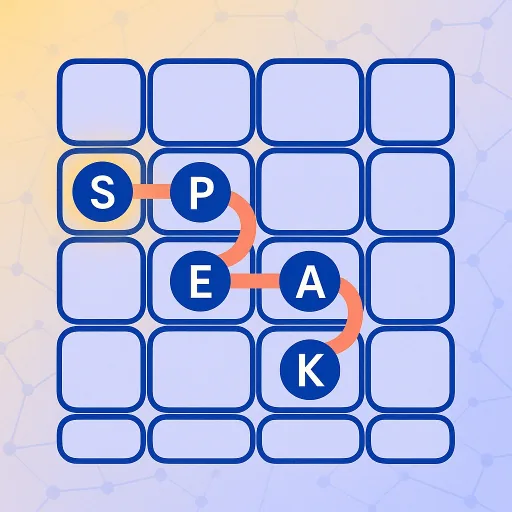
Trace a single path across the board, hit each letter anchor in order, and fill every open cell.
Play now →
Pick the word that doesn't belong from a topic-driven set — every tap reveals all four meanings and images so the round becomes a flash-card too.
Play now →
Flip and match goal-language words to their main-language meaning before your lives run out.
Play now →