


Le gâteau est mangé par les enfants.
English: The cake is eaten by the children.
Grammar page
French B2 grammar page for emploi des formes passives, with rule summary, examples, and SmartWords practice context.
The passive voice in French is a way to say that something is done to the subject, rather than the subject doing the action.
Use the passive voice in French when you want to focus on the action or the receiver of the action, instead of who is doing it. It's common in formal writing, news, or when the doer is unknown or not important.
Le gâteau est mangé par les enfants.
English: The cake is eaten by the children.
La porte est ouverte.
English: The door is opened.
Les lettres sont envoyées chaque semaine.
English: The letters are sent every week.
Le film sera regardé ce soir.
English: The film will be watched tonight.
La ville a été envahie par des troupes étrangères.
Answer: Le pont a été reconstruit après la guerre.
C'est la voix passive : 'a été reconstruit' signifie 'a été reconstruit'.
Today's hand-picked vocabulary, grammar, and pronunciation page for French. Bookmark this section — it refreshes every day.
Subscribe to SmartWords daily picks. Choose the topics you want — we send one short email per day.
Six word games built around our real vocabulary — free in the browser, no install.
Open the game hub →
Match the center word under time pressure and keep the combo alive.
Play now →
Fly through the correct gate before the speed ramps up.
Play now →
Slice the goal-language words, avoid the main-language decoy, and chase the announced bonus target.
Play now →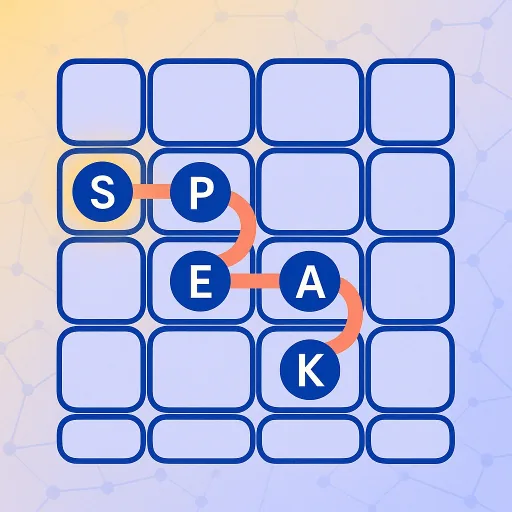
Trace a single path across the board, hit each letter anchor in order, and fill every open cell.
Play now →
Pick the word that doesn't belong from a topic-driven set — every tap reveals all four meanings and images so the round becomes a flash-card too.
Play now →
Flip and match goal-language words to their main-language meaning before your lives run out.
Play now →