


Morgen ga ik naar school.
English: Tomorrow I go to school.
Grammar page
Dutch B2 grammar page for inversie, with rule summary, examples, and SmartWords practice context.
In Dutch, 'inversie' means that the verb comes before the subject in a sentence. This happens when the sentence does not start with the subject.
Use inversie in Dutch when you start a sentence with something other than the subject, like a time, place, or an adverb. It is also used after conjunctions in compound sentences.
Morgen ga ik naar school.
English: Tomorrow I go to school.
Na het eten leest hij een boek.
English: After dinner he reads a book.
Daar staat de auto.
English: There stands the car.
Omdat het regent, blijft zij thuis.
English: Because it is raining, she stays at home.
Toen ik jong was, speelde ik buiten.
English: When I was young, I played outside.
Nooit had hij zo'n spannende film gezien.
Answer: Het benadrukt dat hij nog nooit zo'n film heeft gezien.
Inversie na negatieve bijwoorden zoals 'nooit' legt extra nadruk op de uitspraak en komt vaak voor in formeel of geschreven Nederlands.
Today's hand-picked vocabulary, grammar, and pronunciation page for Dutch. Bookmark this section — it refreshes every day.
Subscribe to SmartWords daily picks. Choose the topics you want — we send one short email per day.
Six word games built around our real vocabulary — free in the browser, no install.
Open the game hub →
Match the center word under time pressure and keep the combo alive.
Play now →
Fly through the correct gate before the speed ramps up.
Play now →
Slice the goal-language words, avoid the main-language decoy, and chase the announced bonus target.
Play now →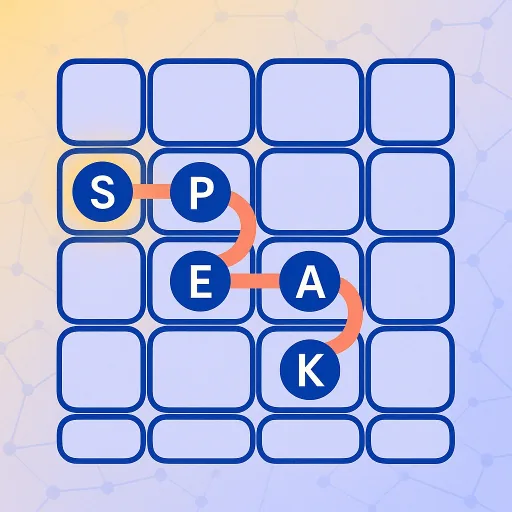
Trace a single path across the board, hit each letter anchor in order, and fill every open cell.
Play now →
Pick the word that doesn't belong from a topic-driven set — every tap reveals all four meanings and images so the round becomes a flash-card too.
Play now →
Flip and match goal-language words to their main-language meaning before your lives run out.
Play now →