


Dit is de stoel waarop ik altijd zit.
English: This is the chair on which I always sit.
Grammar page
Dutch B2 grammar page for gebruik van relatieve bijzinnen met voorzetselvooropplaatsing, with rule summary, examples, and SmartWords practice context.
In Dutch, you can start a relative clause with a preposition. This is called 'preposition stranding' in relative clauses. The preposition comes before the relative pronoun (like 'waar', 'wie'), not at the end of the clause.
Use this structure to link two sentences when the preposition is important for the meaning, and you want to be formal or clear. It is common in written Dutch or more formal speech.
Dit is de stoel waarop ik altijd zit.
English: This is the chair on which I always sit.
Het boek waarin ik geïnteresseerd ben, ligt op tafel.
English: The book in which I am interested is on the table.
De collega met wie ik samenwerk, is erg vriendelijk.
English: The colleague with whom I work is very friendly.
De reden waarvoor ik kwam, is belangrijk.
English: The reason for which I came is important.
Hij heeft een taak ___ hij zich niet aan wil houden.
Answer: waaraan
"Waaraan" is correct omdat 'zich houden aan' het voorzetsel 'aan' vereist, dat voor 'waar' wordt geplaatst in betrekkelijke bijzinnen.
Today's hand-picked vocabulary, grammar, and pronunciation page for Dutch. Bookmark this section — it refreshes every day.
Subscribe to SmartWords daily picks. Choose the topics you want — we send one short email per day.
Six word games built around our real vocabulary — free in the browser, no install.
Open the game hub →
Match the center word under time pressure and keep the combo alive.
Play now →
Fly through the correct gate before the speed ramps up.
Play now →
Slice the goal-language words, avoid the main-language decoy, and chase the announced bonus target.
Play now →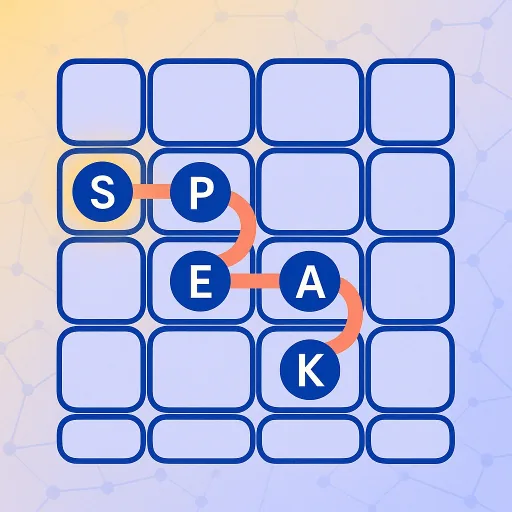
Trace a single path across the board, hit each letter anchor in order, and fill every open cell.
Play now →
Pick the word that doesn't belong from a topic-driven set — every tap reveals all four meanings and images so the round becomes a flash-card too.
Play now →
Flip and match goal-language words to their main-language meaning before your lives run out.
Play now →