


Ali saçını kestirdi.
English: Ali had his hair cut (made someone cut his hair).
Grammar page
Turkish B2 grammar page for dönüşlü ve ettirgen fiillerin gelişmiş kullanımı, with rule summary, examples, and SmartWords practice context.
In Turkish, reflexive verbs (dönüşlü fiiller) show that the subject does the action to itself, while causative verbs (ettirgen fiiller) indicate that the subject causes someone else to do the action. At B2 level, you learn more advanced uses and combinations of these forms.
Use reflexive verbs when the subject acts on itself. Use causative verbs when the subject makes someone else perform the action. Advanced usage includes double forms and less common verbs.
Ali saçını kestirdi.
English: Ali had his hair cut (made someone cut his hair).
Çocuk kendi başına giyindi.
English: The child dressed himself.
Annem evi temizletti.
English: My mother made someone clean the house.
Köpeğini yıkattı.
English: He/she had the dog washed.
Ben de bazen erken uyanıyorum.
English: I sometimes wake up early myself.
Today's hand-picked vocabulary, grammar, and pronunciation page for Turkish. Bookmark this section — it refreshes every day.
Subscribe to SmartWords daily picks. Choose the topics you want — we send one short email per day.
Six word games built around our real vocabulary — free in the browser, no install.
Open the game hub →
Match the center word under time pressure and keep the combo alive.
Play now →
Fly through the correct gate before the speed ramps up.
Play now →
Slice the goal-language words, avoid the main-language decoy, and chase the announced bonus target.
Play now →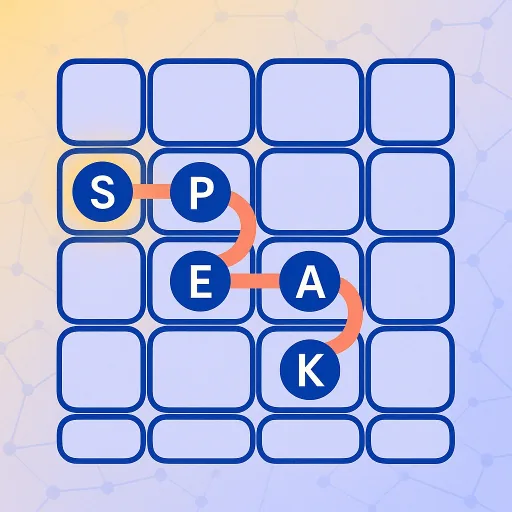
Trace a single path across the board, hit each letter anchor in order, and fill every open cell.
Play now →
Pick the word that doesn't belong from a topic-driven set — every tap reveals all four meanings and images so the round becomes a flash-card too.
Play now →
Flip and match goal-language words to their main-language meaning before your lives run out.
Play now →