


Hier, j'ai vu un film.
English: Yesterday, I saw a movie.
Grammar page
French B2 grammar page for emploi des temps du passé (passé composé, imparfait, plus-que-parfait), with rule summary, examples, and SmartWords practice context.
French has different past tenses to talk about things that happened before now. The main ones are passé composé, imparfait, and plus-que-parfait.
Use passé composé to talk about completed, specific actions in the past. Imparfait is for habits, repeated actions, or descriptions in the past. Plus-que-parfait describes an action that happened before another past action.
Hier, j'ai vu un film.
English: Yesterday, I saw a movie.
Quand j'étais petit, je jouais dans le jardin.
English: When I was little, I used to play in the garden.
Il avait déjà mangé quand je suis arrivé.
English: He had already eaten when I arrived.
Nous regardions la télévision quand le téléphone a sonné.
English: We were watching TV when the phone rang.
Today's hand-picked vocabulary, grammar, and pronunciation page for French. Bookmark this section — it refreshes every day.
Subscribe to SmartWords daily picks. Choose the topics you want — we send one short email per day.
Six word games built around our real vocabulary — free in the browser, no install.
Open the game hub →
Match the center word under time pressure and keep the combo alive.
Play now →
Fly through the correct gate before the speed ramps up.
Play now →
Slice the goal-language words, avoid the main-language decoy, and chase the announced bonus target.
Play now →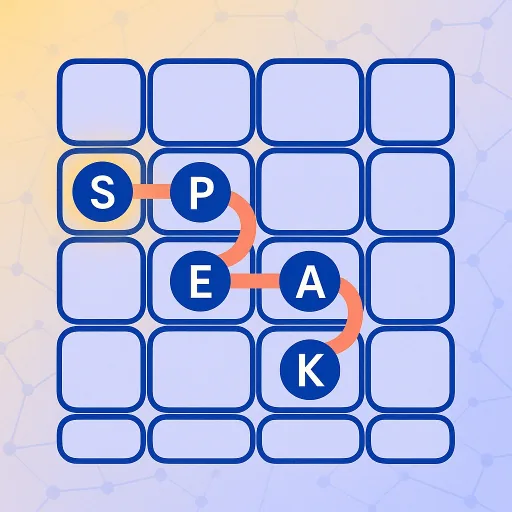
Trace a single path across the board, hit each letter anchor in order, and fill every open cell.
Play now →
Pick the word that doesn't belong from a topic-driven set — every tap reveals all four meanings and images so the round becomes a flash-card too.
Play now →
Flip and match goal-language words to their main-language meaning before your lives run out.
Play now →