


Ich stehe jeden Tag um 7 Uhr auf.
English: I get up at 7 o'clock every day.
Grammar page
German B1 grammar page for zeitangaben, with rule summary, examples, and SmartWords practice context.
In German, 'Zeitangaben' are words or phrases that tell us when something happens. They help us talk about time, like days, months, points in time, or durations.
Use 'Zeitangaben' in German to say when something happens, how long it lasts, or since when it has been happening. They are used in everyday conversations, appointments, and to describe routines.
Ich stehe jeden Tag um 7 Uhr auf.
English: I get up at 7 o'clock every day.
Am Wochenende gehe ich ins Kino.
English: I go to the cinema on the weekend.
Im Winter ist es kalt.
English: It is cold in winter.
Wir bleiben für zwei Wochen in Berlin.
English: We are staying in Berlin for two weeks.
Seit 2018 lerne ich Deutsch.
English: I have been learning German since 2018.
Welcher Satz ist richtig?
Answer: immer morgens
Im Deutschen benutzt man 'morgens' ohne Präposition für 'in the morning' (allgemein).
Today's hand-picked vocabulary, grammar, and pronunciation page for German. Bookmark this section — it refreshes every day.
Subscribe to SmartWords daily picks. Choose the topics you want — we send one short email per day.
Six word games built around our real vocabulary — free in the browser, no install.
Open the game hub →
Match the center word under time pressure and keep the combo alive.
Play now →
Fly through the correct gate before the speed ramps up.
Play now →
Slice the goal-language words, avoid the main-language decoy, and chase the announced bonus target.
Play now →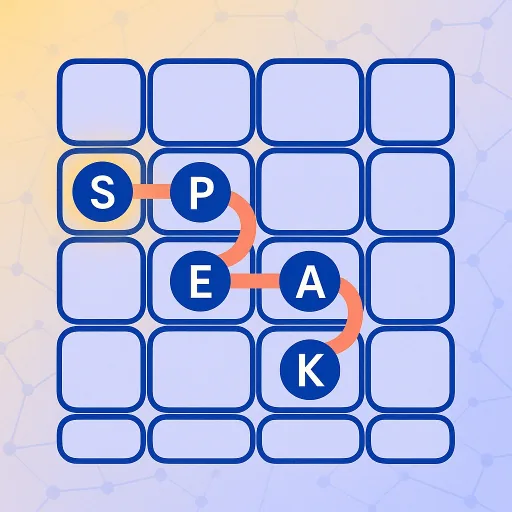
Trace a single path across the board, hit each letter anchor in order, and fill every open cell.
Play now →
Pick the word that doesn't belong from a topic-driven set — every tap reveals all four meanings and images so the round becomes a flash-card too.
Play now →
Flip and match goal-language words to their main-language meaning before your lives run out.
Play now →