


If you study, you will pass the exam.
- Language
- English
- Level
- B2
- Unit
- Conditionals and Wishes
- Practice types
- 4
What this grammar point covers
The first conditional is a way to talk about real and possible situations in the future. It describes what will happen if a certain condition is met.
When to use it
Use the first conditional to talk about things that are likely to happen in the future if a certain condition is true.
Key forms
- If + present simple, will + base verb
- Example: If it rains, I will stay home.
Examples
If it gets cold, we will light a fire.
If they invite me, I will go to the party.
If she calls, I will answer the phone.
Tips
- Use the present simple after 'if', not 'will'.
- Use 'will' in the main clause to show the future result.
- Do not use 'will' directly after 'if'.
Exceptions and edge cases
- Sometimes, 'can', 'may', or 'might' are used instead of 'will' for permission or possibility.
Sample exercise
If you stare at the sun, your eyes might hurt.
Answer: If you stare at the sun, your eyes will hurt.
This is the correct first conditional: present simple in the if-clause, 'will' + base verb in the main clause.
Word of the Day
Today's hand-picked vocabulary, grammar, and pronunciation page for English. Bookmark this section — it refreshes every day.
Get one new word every morning
Subscribe to SmartWords daily picks. Choose the topics you want — we send one short email per day.
Keep exploring
Play SmartWords games
Six word games built around our real vocabulary — free in the browser, no install.
Open the game hub →-

Word Sling
Match the center word under time pressure and keep the combo alive.
Play now → -
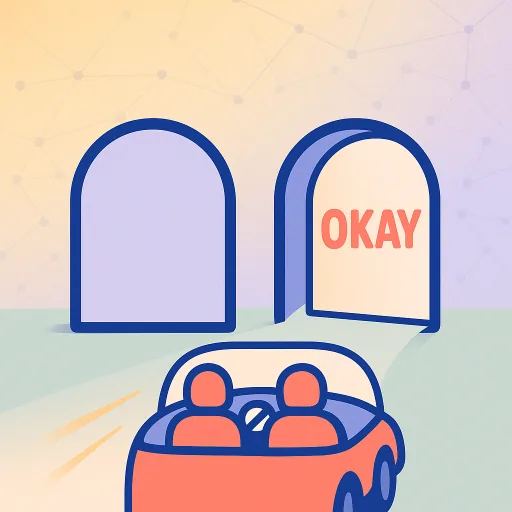
Word Gate
Fly through the correct gate before the speed ramps up.
Play now → -

Word Ninja
Slice the goal-language words, avoid the main-language decoy, and chase the announced bonus target.
Play now → -
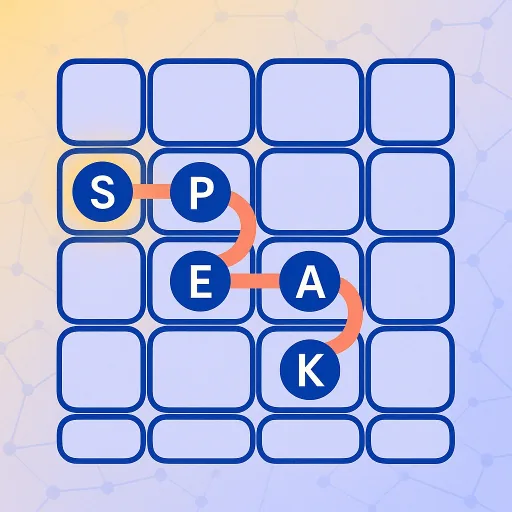
Word Zip
Trace a single path across the board, hit each letter anchor in order, and fill every open cell.
Play now → -

Word Oddity
Pick the word that doesn't belong from a topic-driven set — every tap reveals all four meanings and images so the round becomes a flash-card too.
Play now → -
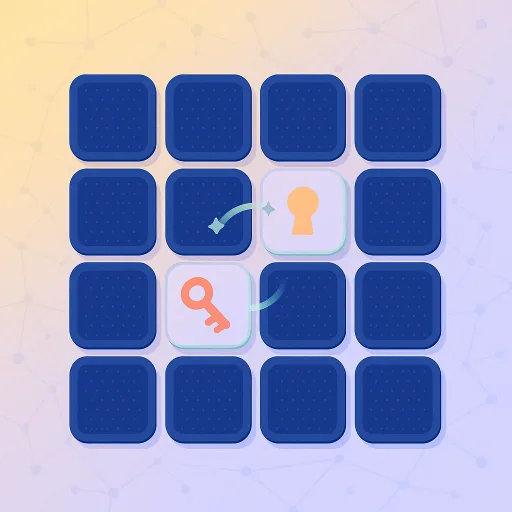
Word Memory
Flip and match goal-language words to their main-language meaning before your lives run out.
Play now →