


Annem evde.
English: My mother is at home.
Grammar page
Turkish A2 grammar page for iyelik ekleri, with rule summary, examples, and SmartWords practice context.
In Turkish, 'iyelik ekleri' are suffixes added to nouns to show possession, like 'my', 'your', 'his/her', etc. They are attached directly to the end of the noun.
Use these suffixes when you want to say that something belongs to someone. For example, to say 'my book', 'your house', or 'their car' in Turkish.
Annem evde.
English: My mother is at home.
Arabamız yeni.
English: Our car is new.
Kediniz çok tatlı.
English: Your cat is very cute.
Çantası masada.
English: His/Her bag is on the table.
Arkadaşlarım burada.
English: My friends are here.
Ali'nin yeşil bir tişörtü var.
Answer: Ali'nin tişörtü
Türkçede sahiplik belirtmek için isme '-nin', nesneye ise '-ü' eklenir.
Today's hand-picked vocabulary, grammar, and pronunciation page for Turkish. Bookmark this section — it refreshes every day.
Subscribe to SmartWords daily picks. Choose the topics you want — we send one short email per day.
Six word games built around our real vocabulary — free in the browser, no install.
Open the game hub →
Match the center word under time pressure and keep the combo alive.
Play now →
Fly through the correct gate before the speed ramps up.
Play now →
Slice the goal-language words, avoid the main-language decoy, and chase the announced bonus target.
Play now →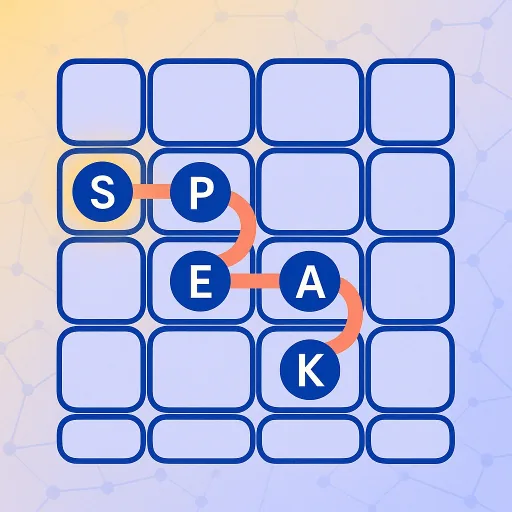
Trace a single path across the board, hit each letter anchor in order, and fill every open cell.
Play now →
Pick the word that doesn't belong from a topic-driven set — every tap reveals all four meanings and images so the round becomes a flash-card too.
Play now →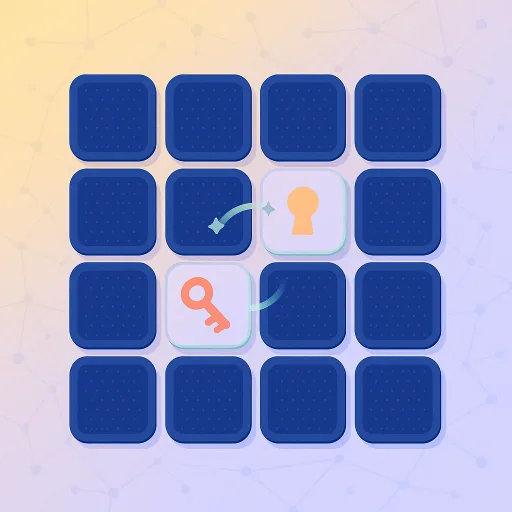
Flip and match goal-language words to their main-language meaning before your lives run out.
Play now →