


Yarın okula gideceğim.
English: I will go to school tomorrow.
Grammar page
Turkish A2 grammar page for gelecek zaman, with rule summary, examples, and SmartWords practice context.
The Turkish 'gelecek zaman' is the future tense. It is used to talk about actions or events that will happen in the future.
Use 'gelecek zaman' in Turkish to talk about plans, predictions, promises, or things that will happen later.
Yarın okula gideceğim.
English: I will go to school tomorrow.
Akşam yemek yapacaklar.
English: They will cook dinner in the evening.
Sen de bizimle gelecek misin?
English: Will you come with us too?
Hafta sonu film izleyeceğiz.
English: We will watch a movie at the weekend.
Ali gelecek hafta için planlarından bahsediyor.
Answer: O yeni bir cep telefonu alacak.
Bu cümlede 'will buy' (satın alacak) kullanılmış, bu gelecek zamandır.
Today's hand-picked vocabulary, grammar, and pronunciation page for Turkish. Bookmark this section — it refreshes every day.
Subscribe to SmartWords daily picks. Choose the topics you want — we send one short email per day.
Six word games built around our real vocabulary — free in the browser, no install.
Open the game hub →
Match the center word under time pressure and keep the combo alive.
Play now →
Fly through the correct gate before the speed ramps up.
Play now →
Slice the goal-language words, avoid the main-language decoy, and chase the announced bonus target.
Play now →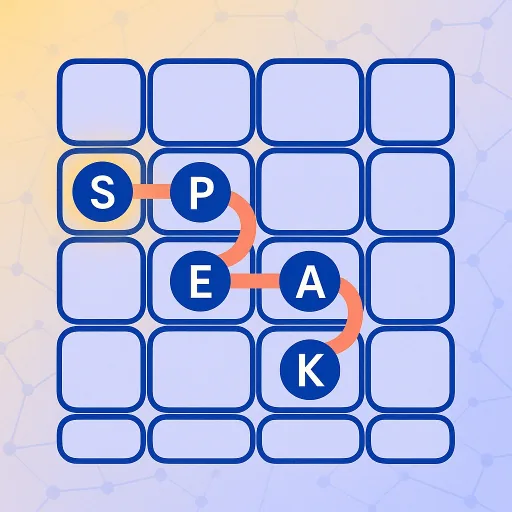
Trace a single path across the board, hit each letter anchor in order, and fill every open cell.
Play now →
Pick the word that doesn't belong from a topic-driven set — every tap reveals all four meanings and images so the round becomes a flash-card too.
Play now →
Flip and match goal-language words to their main-language meaning before your lives run out.
Play now →