


araba anahtarı
English: car key
Grammar page
Turkish A1 grammar page for isim tamlaması, with rule summary, examples, and SmartWords practice context.
In Turkish, 'isim tamlaması' means 'noun compound' or 'noun phrase'. It is used to connect two nouns to show a relationship, like 'the door of the house' or 'school bag'.
Use 'isim tamlaması' when you want to show that one thing belongs to or is related to another thing, such as 'Ali's book', 'car key', or 'student desk'.
araba anahtarı
English: car key
okul çantası
English: school bag
annenin telefonu
English: mother's phone
kitap kapağı
English: book cover
öğretmenin masası
English: teacher's desk
Today's hand-picked vocabulary, grammar, and pronunciation page for Turkish. Bookmark this section — it refreshes every day.
Subscribe to SmartWords daily picks. Choose the topics you want — we send one short email per day.
Six word games built around our real vocabulary — free in the browser, no install.
Open the game hub →
Match the center word under time pressure and keep the combo alive.
Play now →
Fly through the correct gate before the speed ramps up.
Play now →
Slice the goal-language words, avoid the main-language decoy, and chase the announced bonus target.
Play now →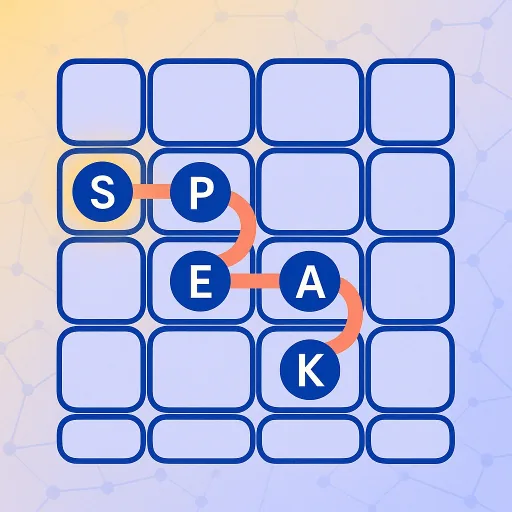
Trace a single path across the board, hit each letter anchor in order, and fill every open cell.
Play now →
Pick the word that doesn't belong from a topic-driven set — every tap reveals all four meanings and images so the round becomes a flash-card too.
Play now →
Flip and match goal-language words to their main-language meaning before your lives run out.
Play now →