


Der Junge liest das Buch.
English: The boy reads the book.
Grammar page
German B2 grammar page for subjekt- und objektstellung, with rule summary, examples, and SmartWords practice context.
In German, the subject and object positions in a sentence are important for understanding who is doing what. The subject is usually the person or thing doing the action, and the object is the person or thing receiving the action.
You use these rules in most German sentences to show who does the action and who receives it. Changing the order can change the focus or emphasis in a sentence.
Der Junge liest das Buch.
English: The boy reads the book.
Ich gebe meiner Mutter die Blumen.
English: I give my mother the flowers.
Den Apfel isst das Kind.
English: The child eats the apple.
Heute kaufe ich einen neuen Computer.
English: Today I buy a new computer.
Sie hat die Hindernisse überwunden.
Answer: die Hindernisse
"die Hindernisse" ist das direkte Objekt (Akkusativ) des Verbs "überwunden".
Today's hand-picked vocabulary, grammar, and pronunciation page for German. Bookmark this section — it refreshes every day.
Subscribe to SmartWords daily picks. Choose the topics you want — we send one short email per day.
Six word games built around our real vocabulary — free in the browser, no install.
Open the game hub →
Match the center word under time pressure and keep the combo alive.
Play now →
Fly through the correct gate before the speed ramps up.
Play now →
Slice the goal-language words, avoid the main-language decoy, and chase the announced bonus target.
Play now →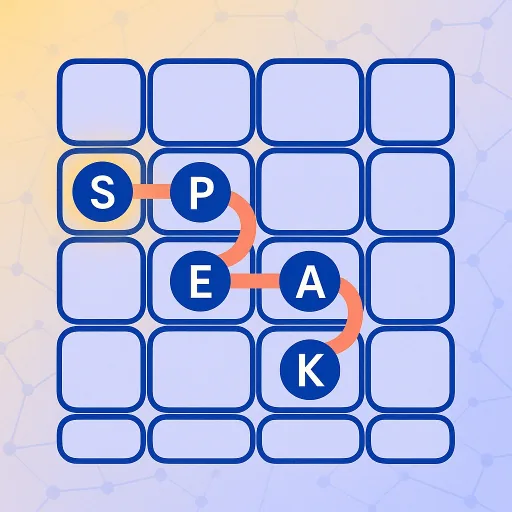
Trace a single path across the board, hit each letter anchor in order, and fill every open cell.
Play now →
Pick the word that doesn't belong from a topic-driven set — every tap reveals all four meanings and images so the round becomes a flash-card too.
Play now →
Flip and match goal-language words to their main-language meaning before your lives run out.
Play now →