


Ich sehe ihn jeden Tag.
English: I see him every day.
Grammar page
German B1 grammar page for personalpronomen, with rule summary, examples, and SmartWords practice context.
Personal pronouns in German are words that replace nouns and refer to people or things. They show who is doing something or to whom something is done.
Use personal pronouns in German to avoid repeating names or nouns, to talk about yourself, others, or things, and to show who is involved in the action of the sentence.
Ich sehe ihn jeden Tag.
English: I see him every day.
Wir helfen dir gerne.
English: We are happy to help you.
Sie gibt es dem Kind.
English: She gives it to the child.
Kannst du mir bitte helfen?
English: Can you please help me?
Er besucht uns morgen.
English: He visits us tomorrow.
Tom möchte seine neue braune Jacke anziehen. Welches Pronomen ersetzt 'Tom' auf Deutsch?
Answer: er
'Er' ist das richtige Pronomen für männliche Personen wie 'Tom'.
Today's hand-picked vocabulary, grammar, and pronunciation page for German. Bookmark this section — it refreshes every day.
Subscribe to SmartWords daily picks. Choose the topics you want — we send one short email per day.
Six word games built around our real vocabulary — free in the browser, no install.
Open the game hub →
Match the center word under time pressure and keep the combo alive.
Play now →
Fly through the correct gate before the speed ramps up.
Play now →
Slice the goal-language words, avoid the main-language decoy, and chase the announced bonus target.
Play now →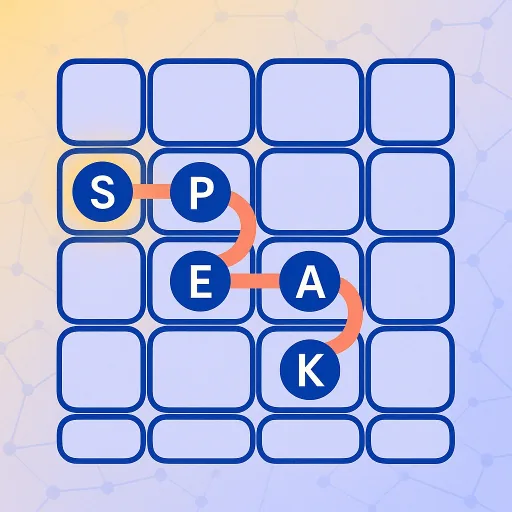
Trace a single path across the board, hit each letter anchor in order, and fill every open cell.
Play now →
Pick the word that doesn't belong from a topic-driven set — every tap reveals all four meanings and images so the round becomes a flash-card too.
Play now →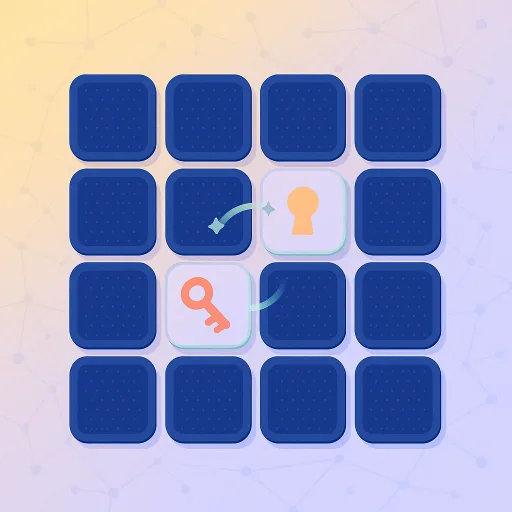
Flip and match goal-language words to their main-language meaning before your lives run out.
Play now →