


She is taller than her brother.
- Language
- English
- Level
- B2
- Unit
- Comparison and Degree
- Practice types
- 4
What this grammar point covers
Comparatives are words and structures used in English to compare two people, things, or actions. They show how something is more or less than something else.
When to use it
Use comparatives when you want to show the difference between two things, people, places, or actions.
Key forms
- adjective + -er + than (for short adjectives): taller than, faster than
- more + adjective + than (for long adjectives): more interesting than, more beautiful than
- less + adjective + than: less expensive than
Examples
This book is more interesting than that one.
My car is less expensive than yours.
He runs faster than me.
Tips
- Remember to use 'than' after the comparative form.
- Use '-er' for short adjectives (one syllable), and 'more' for longer adjectives (two or more syllables).
- Do not use 'more' and '-er' together (not 'more taller').
Exceptions and edge cases
- Some adjectives have irregular comparative forms: good → better, bad → worse, far → farther/further.
Sample exercise
The new policy is more effective than the old one at recruiting talented employees.
Answer: The new policy is more effective than the old one.
We use 'more effective' for comparatives with adjectives of three or more syllables.
Word of the Day
Today's hand-picked vocabulary, grammar, and pronunciation page for English. Bookmark this section — it refreshes every day.
Get one new word every morning
Subscribe to SmartWords daily picks. Choose the topics you want — we send one short email per day.
Keep exploring
Play SmartWords games
Six word games built around our real vocabulary — free in the browser, no install.
Open the game hub →-

Word Sling
Match the center word under time pressure and keep the combo alive.
Play now → -
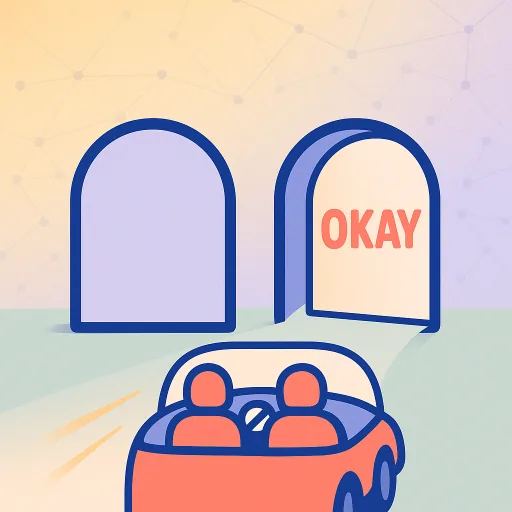
Word Gate
Fly through the correct gate before the speed ramps up.
Play now → -

Word Ninja
Slice the goal-language words, avoid the main-language decoy, and chase the announced bonus target.
Play now → -
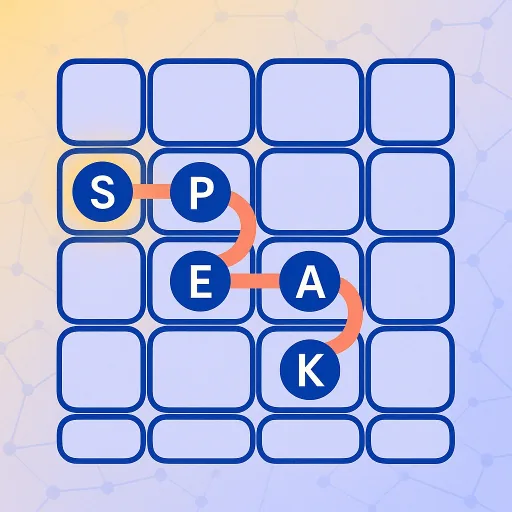
Word Zip
Trace a single path across the board, hit each letter anchor in order, and fill every open cell.
Play now → -

Word Oddity
Pick the word that doesn't belong from a topic-driven set — every tap reveals all four meanings and images so the round becomes a flash-card too.
Play now → -

Word Memory
Flip and match goal-language words to their main-language meaning before your lives run out.
Play now →