


Ik eet een appel.
English: I eat an apple.
Grammar page
Dutch B1 grammar page for woordvolgorde in hoofdzin, with rule summary, examples, and SmartWords practice context.
In Dutch, 'woordvolgorde in hoofdzin' means the word order in a main clause. It describes how to organize the subject, verb, and other parts of a sentence.
Use this word order in regular, independent sentences (main clauses) when making statements, asking questions with question words, or giving information.
Ik eet een appel.
English: I eat an apple.
Morgen werk ik thuis.
English: Tomorrow I work at home.
Mijn broer speelt voetbal.
English: My brother plays soccer.
In de zomer ga ik naar het strand.
English: In the summer I go to the beach.
Welke zin heeft de juiste woordvolgorde?
Answer: Ik wil de data met mijn digitale camera uploaden.
In een Nederlandse hoofdzin is de volgorde: onderwerp - persoonsvorm - lijdend voorwerp - wijze - plaats - tijd - andere werkwoorden. Het hele werkwoord komt achteraan.
Today's hand-picked vocabulary, grammar, and pronunciation page for Dutch. Bookmark this section — it refreshes every day.
Subscribe to SmartWords daily picks. Choose the topics you want — we send one short email per day.
Six word games built around our real vocabulary — free in the browser, no install.
Open the game hub →
Match the center word under time pressure and keep the combo alive.
Play now →
Fly through the correct gate before the speed ramps up.
Play now →
Slice the goal-language words, avoid the main-language decoy, and chase the announced bonus target.
Play now →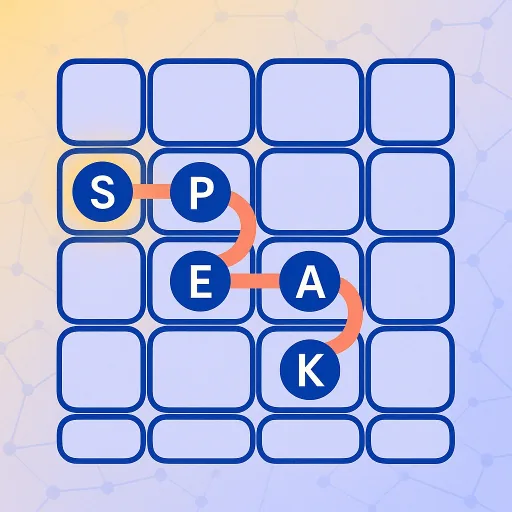
Trace a single path across the board, hit each letter anchor in order, and fill every open cell.
Play now →
Pick the word that doesn't belong from a topic-driven set — every tap reveals all four meanings and images so the round becomes a flash-card too.
Play now →
Flip and match goal-language words to their main-language meaning before your lives run out.
Play now →