


Ik zal morgen bellen.
English: I will call tomorrow.
Grammar page
Dutch B1 grammar page for gebruik van 'zullen' + infinitief, with rule summary, examples, and SmartWords practice context.
In Dutch, 'zullen' + infinitive is used to talk about the future, make promises, offers, or suggestions. 'Zullen' is a modal verb, and it is combined with the infinitive form of another verb.
You use 'zullen' + infinitive in Dutch to talk about something that will happen in the future, to make an offer, a promise, or a suggestion.
Ik zal morgen bellen.
English: I will call tomorrow.
Zullen we samen eten?
English: Shall we eat together?
Jij zult het leuk vinden.
English: You will like it.
Wij zullen op tijd zijn.
English: We will be on time.
Jij zult morgen je nieuwe jumper aantrekken.
Answer: zult ... aantrekken
'Zult' (van 'zullen') plus het hele werkwoord 'aantrekken' vormen samen de toekomende tijd.
Today's hand-picked vocabulary, grammar, and pronunciation page for Dutch. Bookmark this section — it refreshes every day.
Subscribe to SmartWords daily picks. Choose the topics you want — we send one short email per day.
Six word games built around our real vocabulary — free in the browser, no install.
Open the game hub →
Match the center word under time pressure and keep the combo alive.
Play now →
Fly through the correct gate before the speed ramps up.
Play now →
Slice the goal-language words, avoid the main-language decoy, and chase the announced bonus target.
Play now →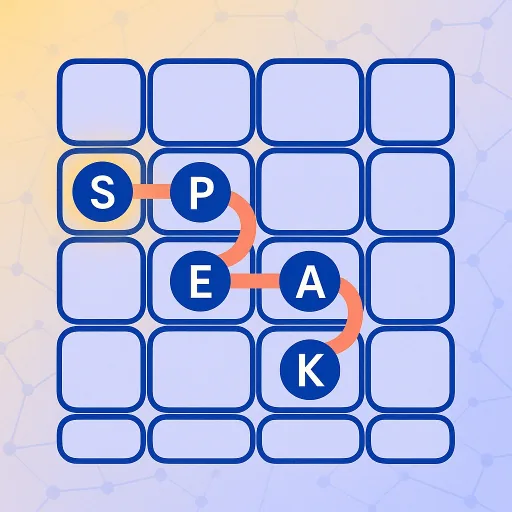
Trace a single path across the board, hit each letter anchor in order, and fill every open cell.
Play now →
Pick the word that doesn't belong from a topic-driven set — every tap reveals all four meanings and images so the round becomes a flash-card too.
Play now →
Flip and match goal-language words to their main-language meaning before your lives run out.
Play now →