


I will meet you at 6 pm.
- Language
- English
- Level
- B2
- Unit
- Prepositions and Collocations
- Practice types
- 4
What this grammar point covers
Prepositions of time are words that show when something happens. They connect events to times, like days, months, or specific moments.
When to use it
Use these prepositions to talk about when something happens, how long it lasts, or when it starts and ends.
Key forms
- in (in the morning, in 2020)
- on (on Monday, on July 4th)
- at (at 5 o'clock, at night)
- by (by Friday, by 8 pm)
- until (until tomorrow, until next week)
- since (since 2010, since noon)
- for (for two hours, for a week)
Examples
She was born on Tuesday.
We have lived here since 2015.
He worked for three hours.
The store is closed until Monday.
Tips
- Use 'at' for precise times, 'on' for days and dates, and 'in' for longer periods like months or years.
- Do not use 'in' with 'morning', 'afternoon', or 'evening' if you add a specific day: say 'on Monday morning'.
- Be careful: 'at night' (not 'in night').
Exceptions and edge cases
- We say 'at the weekend' in British English, but 'on the weekend' in American English.
- Use 'at Christmas' (for the holiday), but 'on Christmas Day' (for the specific day).
Sample exercise
She always impresses her teachers ___ the afternoon, but she hesitates ___ the evening.
Answer: in / in
We use 'in the afternoon' and 'in the evening' for general times of day.
Word of the Day
Today's hand-picked vocabulary, grammar, and pronunciation page for English. Bookmark this section — it refreshes every day.
Get one new word every morning
Subscribe to SmartWords daily picks. Choose the topics you want — we send one short email per day.
Keep exploring
Play SmartWords games
Six word games built around our real vocabulary — free in the browser, no install.
Open the game hub →-

Word Sling
Match the center word under time pressure and keep the combo alive.
Play now → -
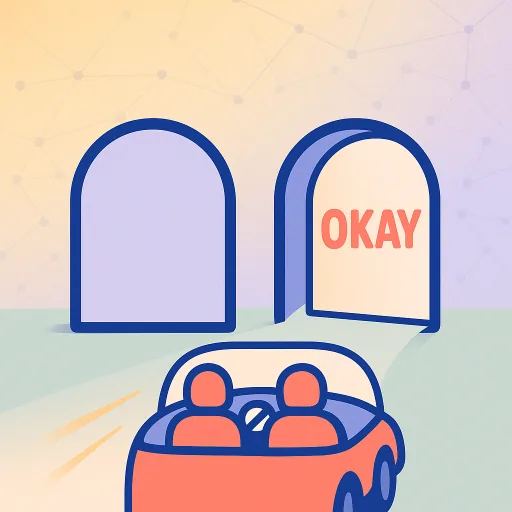
Word Gate
Fly through the correct gate before the speed ramps up.
Play now → -

Word Ninja
Slice the goal-language words, avoid the main-language decoy, and chase the announced bonus target.
Play now → -
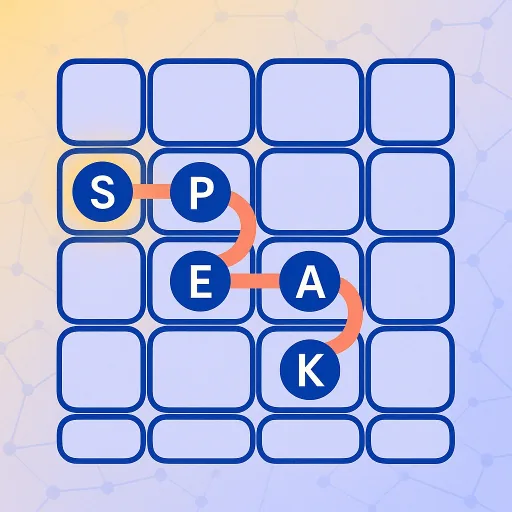
Word Zip
Trace a single path across the board, hit each letter anchor in order, and fill every open cell.
Play now → -

Word Oddity
Pick the word that doesn't belong from a topic-driven set — every tap reveals all four meanings and images so the round becomes a flash-card too.
Play now → -

Word Memory
Flip and match goal-language words to their main-language meaning before your lives run out.
Play now →