


Can I open the window?
- Language
- English
- Level
- B1
- Unit
- Modal Verbs
- Practice types
- 4
What this grammar point covers
Modal verbs for permission are words like 'can', 'could', and 'may' that we use to ask for, give, or refuse permission in English.
When to use it
Use these forms in English when you want to ask if something is allowed, give someone permission, or refuse permission.
Key forms
- 'Can I...?'
- 'Could I...?'
- 'May I...?'
- 'You can...'
- 'You may...'
Examples
You can use my phone.
May I leave early?
Could I borrow your book?
Sorry, you can't park here.
Tips
- Use 'can' and 'could' for informal situations. 'May' is more formal or polite.
- Do not use 'to' after modal verbs: say 'Can I go?' not 'Can I to go?'.
- The verb after a modal verb is always the base form (infinitive without 'to').
Exceptions and edge cases
- 'May' is less common in everyday conversation, but is still correct and very polite.
- In negative forms, use 'can't' or 'may not' to refuse permission.
Sample exercise
You want to use your friend's MP3 player at school.
Answer: May I use your MP3 player at school?
This is the correct way to ask for permission using 'may'.
Word of the Day
Today's hand-picked vocabulary, grammar, and pronunciation page for English. Bookmark this section — it refreshes every day.
Get one new word every morning
Subscribe to SmartWords daily picks. Choose the topics you want — we send one short email per day.
Keep exploring
Play SmartWords games
Six word games built around our real vocabulary — free in the browser, no install.
Open the game hub →-

Word Sling
Match the center word under time pressure and keep the combo alive.
Play now → -
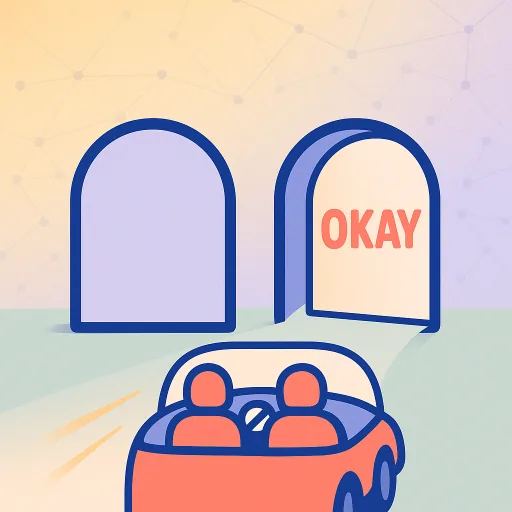
Word Gate
Fly through the correct gate before the speed ramps up.
Play now → -

Word Ninja
Slice the goal-language words, avoid the main-language decoy, and chase the announced bonus target.
Play now → -
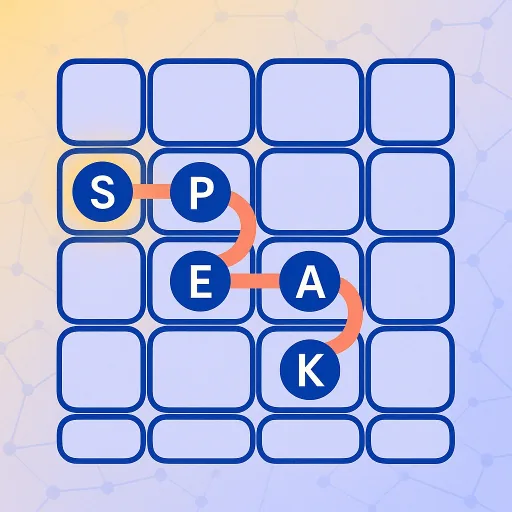
Word Zip
Trace a single path across the board, hit each letter anchor in order, and fill every open cell.
Play now → -

Word Oddity
Pick the word that doesn't belong from a topic-driven set — every tap reveals all four meanings and images so the round becomes a flash-card too.
Play now → -

Word Memory
Flip and match goal-language words to their main-language meaning before your lives run out.
Play now →